5 Cosmetic Issues that Dental Bonding Can Address
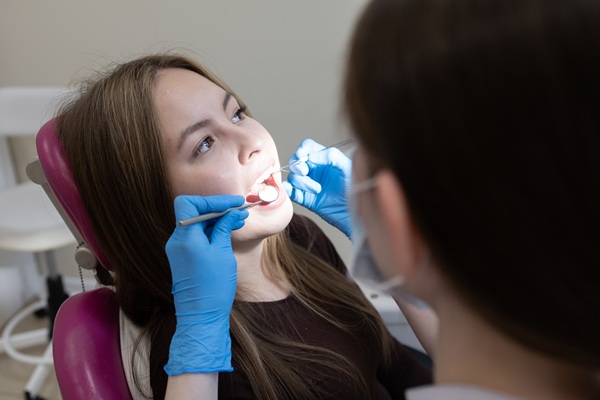
Dental bonding uses tooth-colored composite resin to repair small flaws, reshape edges, and refresh a smile with minimal enamel removal. The dentist conditions the surface, places pliable resin, sculpts the contours, then cures and polishes for a seamless blend. Composite resin bonds micromechanically to enamel and dentin, forming a strong bond. Since the technique preserves healthy structure and typically requires no anesthesia, dental bonding often suits minor chips, gaps, and discoloration—issues that do not require crowns or porcelain veneers.
Initial dental bonding consultation
During consultation, ask about shade stability, maintenance, and alternatives. In some cases, we treat the teeth with whitening first to ensure dental bonding matches the brighter enamel. Others may need minor orthodontic alignment before bonding for ideal proportions, smoother contacts, and longer-lasting results between professional cleanings.
Conditions that dental bonding can fix
Dental bonding readily adapts to unique tooth shapes and shades, helping address targeted concerns. A thorough exam, photos, and a shade-matching guide inform a precise plan, and mock-ups can preview likely contours before treatment begins.
- Close small gaps (diastemas) by adding resin to inner edges, improving symmetry while preserving enamel.
- Repair chipped corners or worn edges to restore length, protect rough spots, and smooth biting contacts.
- Camouflage isolated discoloration when whitening cannot lift a deep stain, such as tetracycline banding.
- Reshape pointed or uneven teeth, so the smile line follows a balanced curve.
- Cover small cracks or craze lines on the surface to improve appearance and reduce plaque retention.
Together, these applications allow dental bonding to refine a smile without extensive procedures. The material blends with neighboring teeth, and the dentist can adjust its translucency and surface texture to achieve a lifelike finish. For some patients, bonding also functions as a transitional option while planning orthodontics or implant care, keeping edges smooth and easier to clean.
Dental bonding care and longevity
With consistent care, dental bonding can last for years. The dentist will strongly encourage patients to brush twice daily with a soft-bristle toothbrush and choose nonabrasive toothpaste to protect the polished surface. Floss gently along the margins, where plaque can collect and dull the resin.
Further, limit frequent sipping of coffee, tea, or red wine, which may stain over time. If patients choose to consume these beverages, it is best to do so with a straw and rinse the mouth with water immediately afterward to limit pigment contact to the restoration. Moreover, avoid biting ice, pens, and fingernails, as sharp forces can chip any restoration. If clenching or grinding (bruxism) occurs at night, a custom mouthguard helps distribute pressure across the bite.
When changes arise—like a new chip or a rough patch—a quick polish or small repair often restores the appearance. Therefore, schedule professional cleanings to refresh luster every six months. During routine exams, the dentist can evaluate bite contacts, refine contours, and confirm that dental bonding remains comfortable and stable.
Schedule a visit
Dental bonding offers a conservative way to improve specific cosmetic concerns while supporting everyday comfort and function. A personalized evaluation will determine whether bonding, whitening, orthodontics, or another service best fits the goals, timeline, and budget. For more information or to schedule an appointment, call our office.
To schedule a consultation, please request an appointment on our website at https://www.divinedentalgroup.com or call Divine Dental at (480) 855-3550 to arrange an appointment at our Scottsdale office.
Check out what others are saying about our dental services on Yelp: Dental Bonding in Scottsdale, AZ.
Related Posts
A cosmetic dentist may recommend teeth bonding for those wanting a more dazzling smile without an invasive procedure. Bonding can cover staining on the teeth and correct cosmetic issues affecting the enamel. Learning about the basics of teeth bonding can help you decide whether you may benefit from consulting a cosmetic dentist.Teeth bonding, or dental…
A cosmetic dentist can help you enhance multiple aspects of your smile's appearance. If something in your smile bothers you, chances are cosmetic dentistry has a solution for it. From teeth whitening to bonding and veneers, cosmetic dentists are helping people smile with greater confidence.A cosmetic dentist is any dentist who provides services aimed at…
A cosmetic dentist is a dentist who helps people enhance the way their smile looks. They offer a range of procedures designed to improve the appearance of the teeth and gums. If you are looking to give your smile a makeover, a cosmetic dentist can help.Cosmetic dentistry is not an officially recognized dental specialty. However,…
Cosmetic dentists are the professionals to call when you want to restore a healthy-appearing smile. This type of restoration can involve repairing damaged teeth to help address both the appearance and function of a tooth. Here are five ways a cosmetic dentist can repair your natural teeth.Composite bonding, sometimes referred to simply as bonding, uses…